Overview
Professional Development Grounded in Authentic Experiences
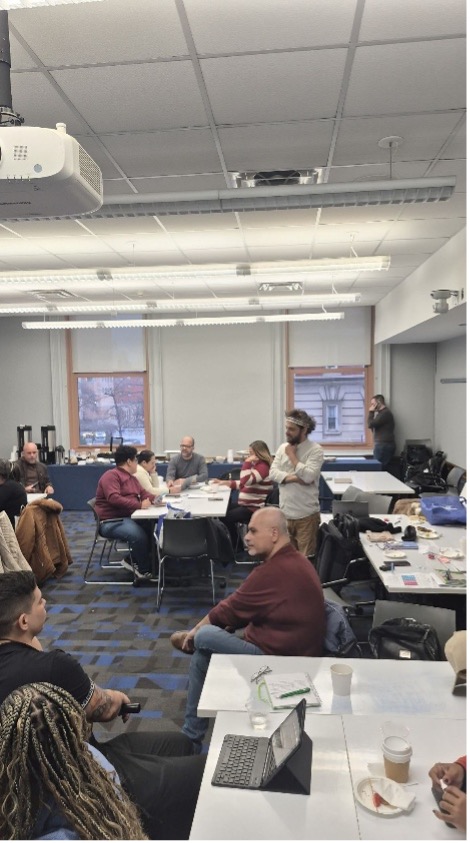
The professional development program combined a range of learning strategies, including:
- interactive presentations and discussions;
- hands-on workshops;
- project design studios;
- visits to leading schools and institutions;
- activities in the TLTL laboratory;
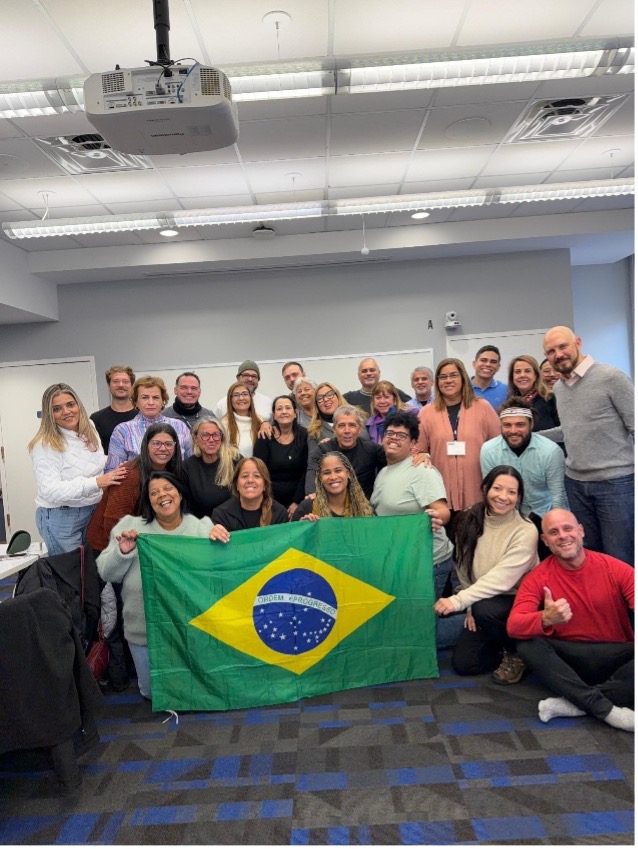
- structured opportunities for reflection and collaboration among participants.
This approach connected theoretical foundations with concrete experiences, supporting the development of context-sensitive solutions to challenges in public education.
Learning, Technology, and Leadership
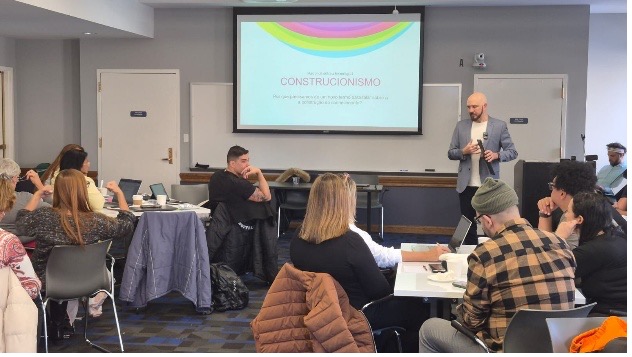
During the New York immersion program, participants engaged in in-depth discussions about learning models, constructivism, constructionism, the design of educational experiences, and leadership for innovation. The activities emphasized that technology has an impact only when it is aligned with clear pedagogical goals and carefully designed learning experiences.
Alongside the conceptual discussions, participants explored the TLTL laboratory, its equipment, digital fabrication tools, and platforms such as the GoGo Board. They also took part in inquiry-based activities illustrating constructionist principles of learning.
Observing Innovation Across Different Contexts
The program also included visits to Greenwich Academy and the New York Hall of Science, allowing participants to observe how different institutions integrate technology, inquiry, and learning into their curricula. These visits provided reference points for discussions about leadership, school culture, teacher professional development, and the implementation of innovative programs.
Projects Grounded in the School System’s Needs
Throughout the week, participants worked in groups to develop proposals addressing real challenges faced by SME-RJ, including:
- literacy instruction;
- strengthening the GETs;
- teacher professional development;
- integration between the Collaboratories and classrooms;
- engagement of school leadership teams.
The projects were continuously refined through problem analysis, the definition of learning objectives, persona development, and implementation planning, with the aim of ensuring that the proposed solutions were both feasible and responsive to their specific contexts.
Program Impact
Evaluations conducted throughout the program indicated high levels of participant satisfaction, with average ratings of approximately 9.7 across all sessions. Participant feedback particularly highlighted:
- the quality of the conceptual discussions;
- the integration of theory and practice;
- the experiences in the TLTL laboratory;
- the institutional visits;
- the collaborative work;
- the program’s potential to strengthen the implementation of the GETs across the municipal public school system.