The TLTLab reimagines education through research, design, and the development of new technologies. In Brazil, we are long-term partners in the systemic transformation of public school networks, supporting educators, schools, and education departments in building innovative, equitable, and evidence-based practices.
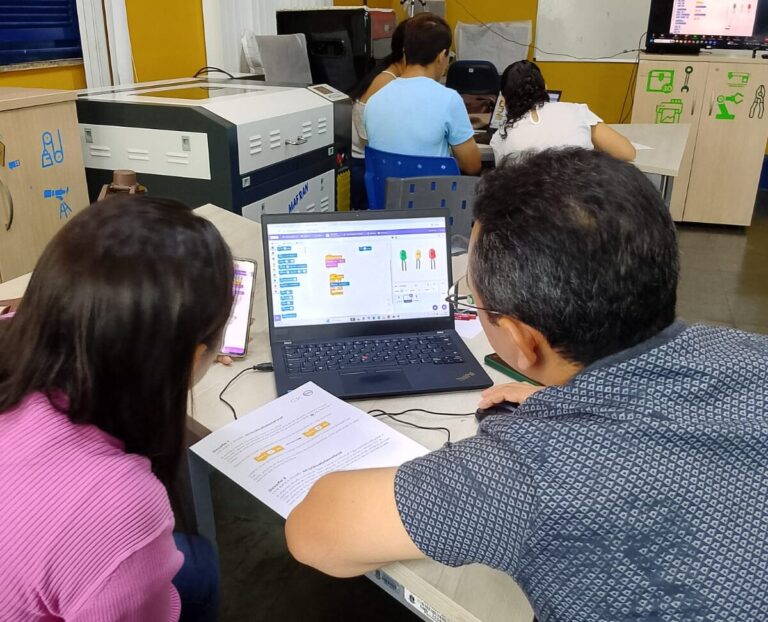
CLIC (Computational Literacies Integrated into the Curriculum) is a TLTL initiative that integrates computer science into K–12 education across subjects such as mathematics, humanities, and social sciences. Through the co-design of interdisciplinary learning experiences and teacher professional development, the project supports schools in implementing Brazil’s BNCC Computing curriculum in meaningful and sustainable ways.
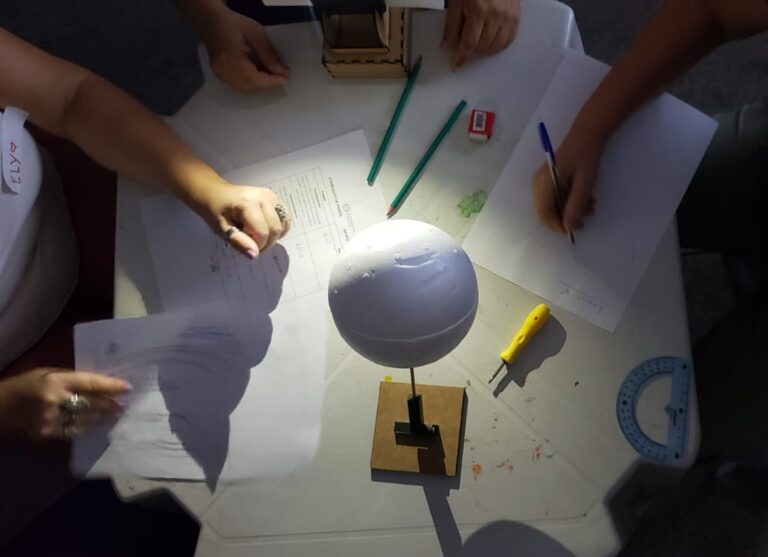
IDEIA Sobral is a TLTL initiative that transformed science education across Sobral’s public school system through an integrated approach combining curriculum innovation, teacher professional development, co-design of instructional materials, and the creation of school science laboratories. Grounded in science education research and aligned with Brazil’s National Common Core Curriculum (BNCC), the project supports long-term, systemic educational change.
The Brazilian Observatory for Artificial Intelligence in Education (OBSIA) is a joint initiative of Fundação Itaú, Fundação Telefônica Vivo, and TLTL that supports the critical, ethical, and evidence-based adoption of artificial intelligence in Brazilian public education. By synthesizing research and translating evidence into practical guidance, the Observatory helps education systems make informed decisions about AI while promoting equity, protecting children and adolescents, and strengthening AI literacy.
CLIC (Computational Literacies Integrated into the Curriculum) is a TLTL initiative that integrates computer science into K–12 education across subjects such as mathematics, humanities, and social sciences. Through the co-design of interdisciplinary learning experiences and teacher professional development, the project supports schools in implementing Brazil’s BNCC Computing curriculum in meaningful and sustainable ways.
GETs (Technological Educational Gymnasiums) is a TLTL initiative developed in partnership with Itaú Social and the Rio de Janeiro Municipal Department of Education (SME-RJ). The project supports the implementation of the GETs by preparing Articulating Teachers to promote constructionist, hands-on learning and strengthen the pedagogical use of technology in school Collaboratories.
IDEIA Sobral is a TLTL initiative that transformed science education across Sobral’s public school system through an integrated approach combining curriculum innovation, teacher professional development, co-design of instructional materials, and the creation of school science laboratories. Grounded in science education research and aligned with Brazil’s National Common Core Curriculum (BNCC), the project supports long-term, systemic educational change.
IDEIA Recife is a teacher professional development initiative developed through a partnership between TLTL, Itaú Social, and the Recife Municipal Department of Education. The project strengthens science education and the integration of technology across the municipal school system by preparing educators to implement inquiry-based, constructionist learning experiences grounded in the learning sciences.
PAC (Constructionist Learning Program: Integrating Science and Technology in Schools) is a TLTL initiative developed in partnership with Instituto Singularidades to strengthen science and technology education in São Paulo’s public school system. Through teacher professional development grounded in constructionism, the project prepared teacher trainers, fostered a community of practice, and established LabSing, Brazil’s first FabLearn-aligned maker laboratory.
The Artificial Intelligence and Childhood Initiative, developed in partnership with Instituto Alana, supported the development of an institutional position and advocacy agenda on the use of artificial intelligence (AI) in education, with a focus on protecting children and adolescents in digital environments. Through research synthesis, policy analysis, and the development of strategic resources, the project strengthened public debate and informed decision-making on AI governance, data protection, and children’s rights.
The Brazilian Observatory for Artificial Intelligence in Education (OBSIA) is a joint initiative of Fundação Itaú, Fundação Telefônica Vivo, and TLTL that supports the critical, ethical, and evidence-based adoption of artificial intelligence in Brazilian public education. By synthesizing research and translating evidence into practical guidance, the Observatory helps education systems make informed decisions about AI while promoting equity, protecting children and adolescents, and strengthening AI literacy.
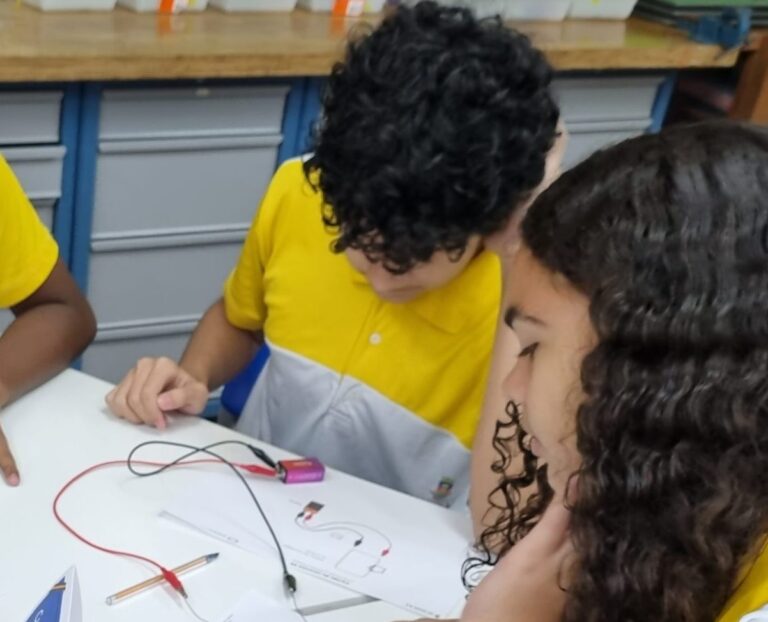
In 2026, TLTL at Columbia University partnered with SESI Rio Grande do Sul to strengthen the Hands on Bots (HOB) Program and support Robotics Clubs through teacher professional development. The initiative expands hands-on learning in robotics and physical computing while supporting the implementation of Brazil’s National Common Core Curriculum for Computing (BNCC Computing). Teachers are prepared to use the GoGo Board to investigate phenomena, collect and analyze data, and develop solutions through programming, robotics, and AI.
In January 2026, TLTL partnered with the Rio de Janeiro Municipal Department of Education (SME-RJ) to deliver a professional development program for educational leaders across the municipal public school system. The program strengthened leaders’ capacity to plan, implement, and evaluate initiatives that integrate technology critically and intentionally, with a focus on improving pedagogical practices across the GETs. Participants developed projects addressing real-world challenges in their professional contexts, using the ADDIE model to guide the design, implementation, and evaluation of solutions.
NYC Immersion on Educational Innovation for Brazilian Teachers
Partner: Rio de Janeiro Municipal Department of Education (SME-RJ)
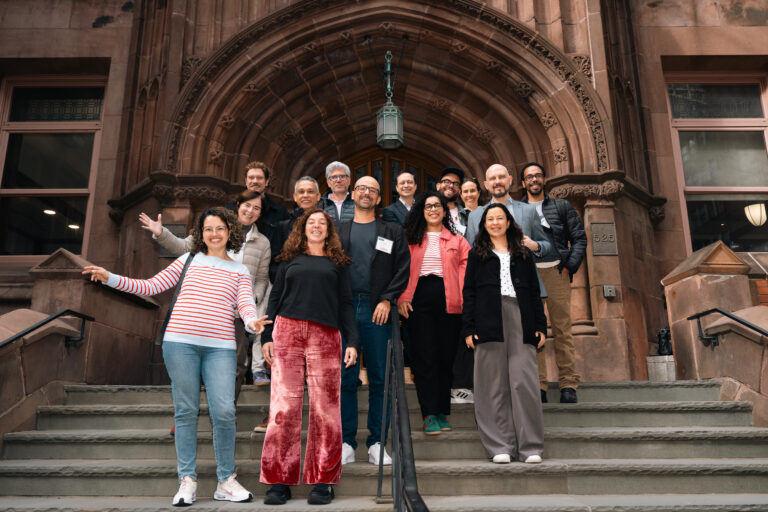
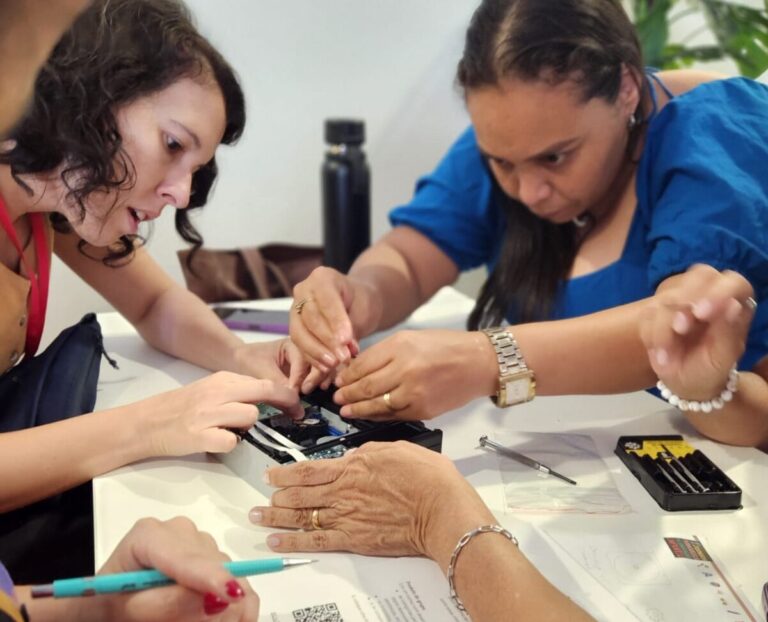
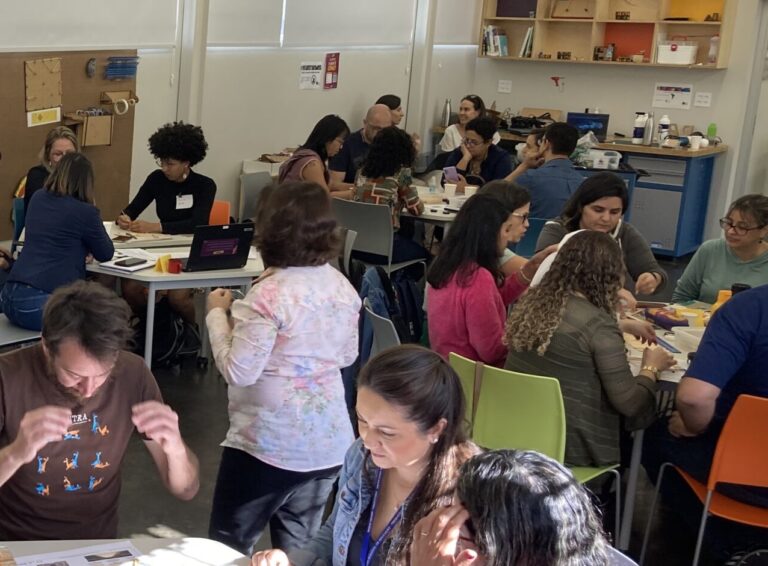
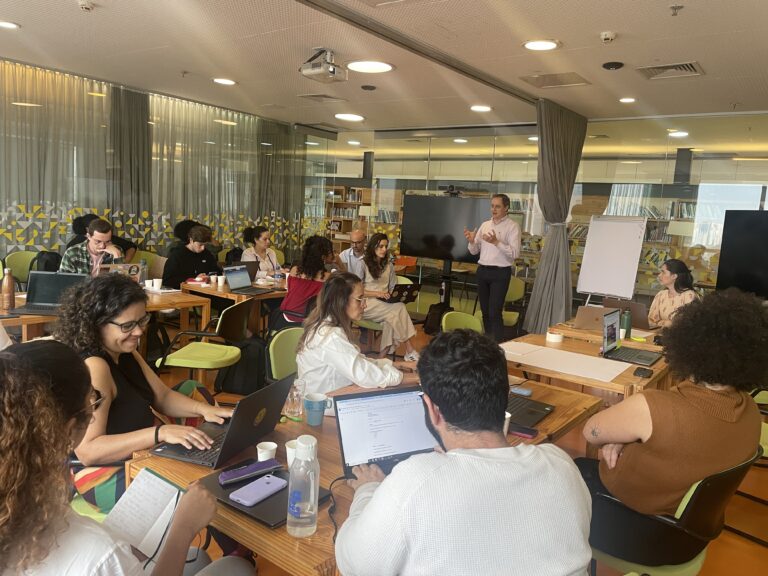
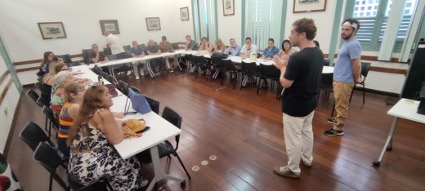
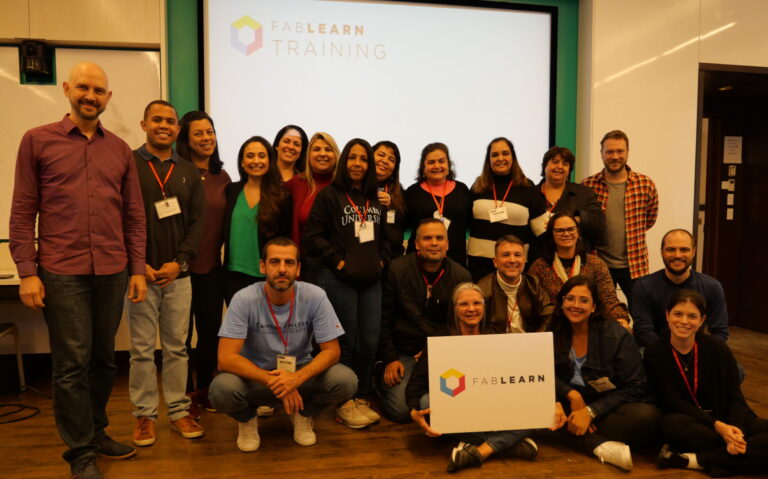
The NYC Immersion on Educational Innovation for Brazilian Teachers is an annual initiative held at Teachers College, Columbia University since 2023. This immersion program brings together public school educators and leaders from Brazil for an intensive week of workshops, seminars, and school visits centered on constructionism, inquiry-based learning, and maker education. To date, more than 90 educators and leaders from Rio de Janeiro’s public school network have participated, engaging in hands-on digital fabrication workshops, collaborative curriculum design activities, and reflective sessions that connect educational research and classroom practice.
Policy Reports on Technology and Equity in Brazilian Education
Partners: D³e (Dados para um Debate Democrático na Educação), Todos Pela Educação Institute, Telefônica Vivo Foundation
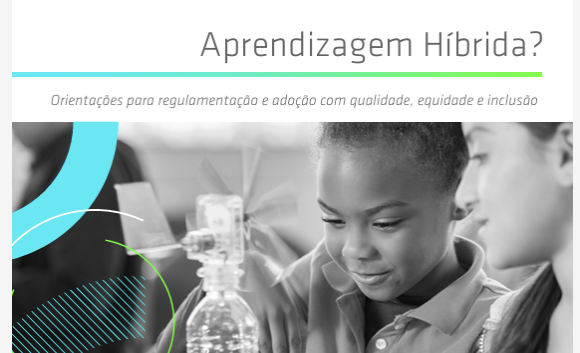
Over the past several years, the TLTL has produced influential research and policy reports on technology, equity, and hybrid learning in Brazilian education. Developed during and after the COVID-19 pandemic, these reports examined how digital technologies and hybrid learning models could be implemented with quality, inclusion, and pedagogical relevance across public school systems. Drawing on international case studies and comparative perspectives, the publications addressed topics such as infrastructure, teacher professional development, data privacy, educational policy integration, and the evaluation of pilot programs. The reports significantly influenced national debates and policy on educational innovation through public events and meetings with policymakers, researchers, and education leaders.