THE PROJECT
The IDEIA Program (Invention, Discovery, Investigation, and Learning) is a teacher professional development initiative aimed at strengthening science education and the curricular integration of technology across Recife’s municipal public school system. The project was developed through a partnership among the Transformative Learning Technologies Lab (TLTL) at Teachers College, Columbia University; the Itaú Social Foundation; and the Recife Municipal Department of Education, with a focus on building the capacity of teacher trainers, lead teachers, and education leaders.
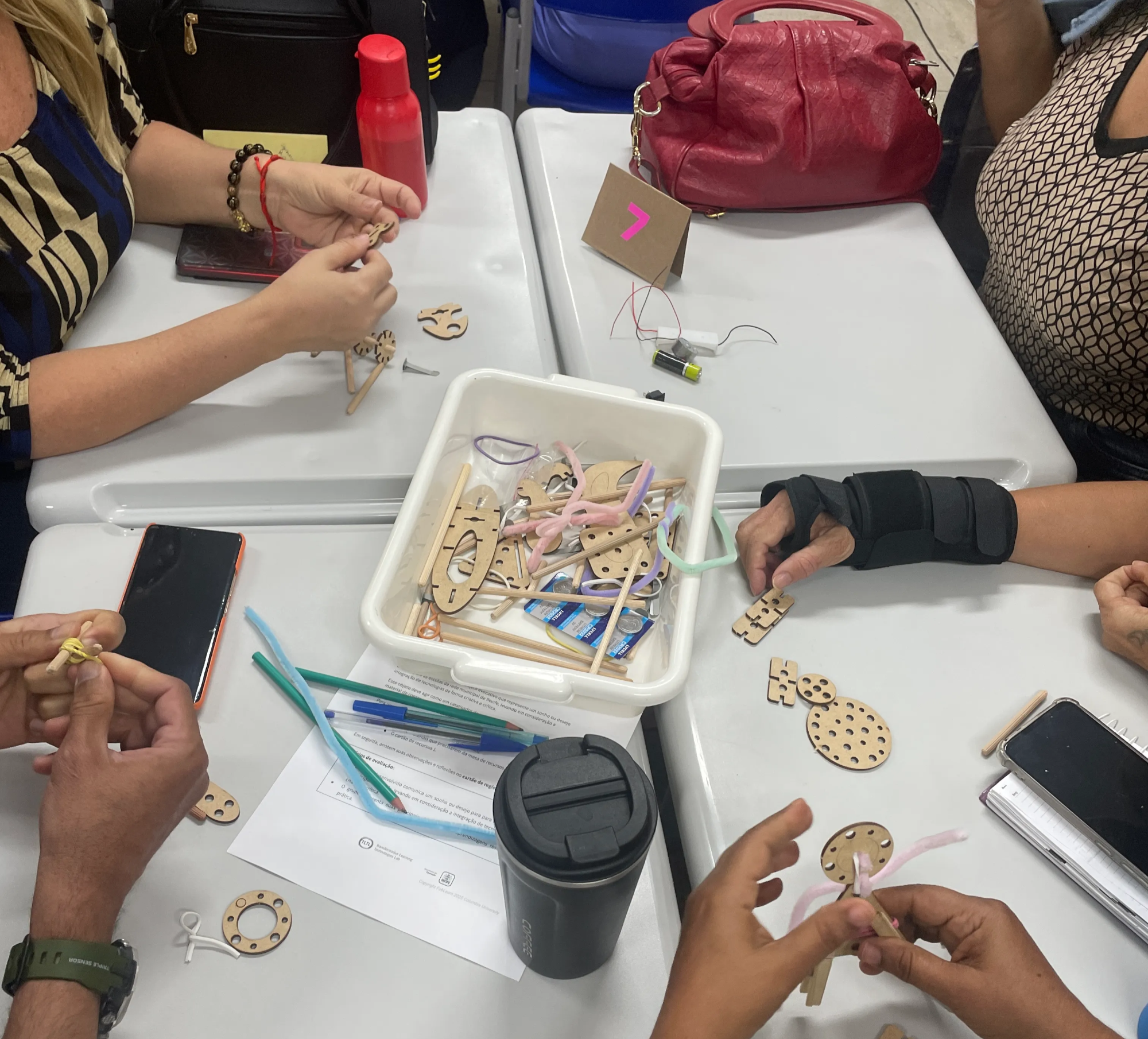
The program was organized into four professional development modules designed for different groups within the school system: science teacher trainers, lead teachers from the Educational Technology Units (UTECs), technical teams from the Municipal Department of Education, and education leaders. The modules addressed topics such as science teaching grounded in scientific practices, the design of inquiry-based instructional sequences, the critical integration of technology into the curriculum, and the principles of constructionism. Participants also explored tools and pedagogical approaches including Scratch, data analysis, digital fabrication, and discussions about artificial intelligence in education.
The professional development approach was grounded in principles from the learning sciences, prioritizing activities connected to classroom practice, a gradual progression in complexity, ongoing support from mentors, and the development of communities of practice among educators. A central feature was the cascade model, in which teacher trainers and lead teachers first participated in the program and subsequently facilitated the activities in professional development courses for other teachers and in their own schools.
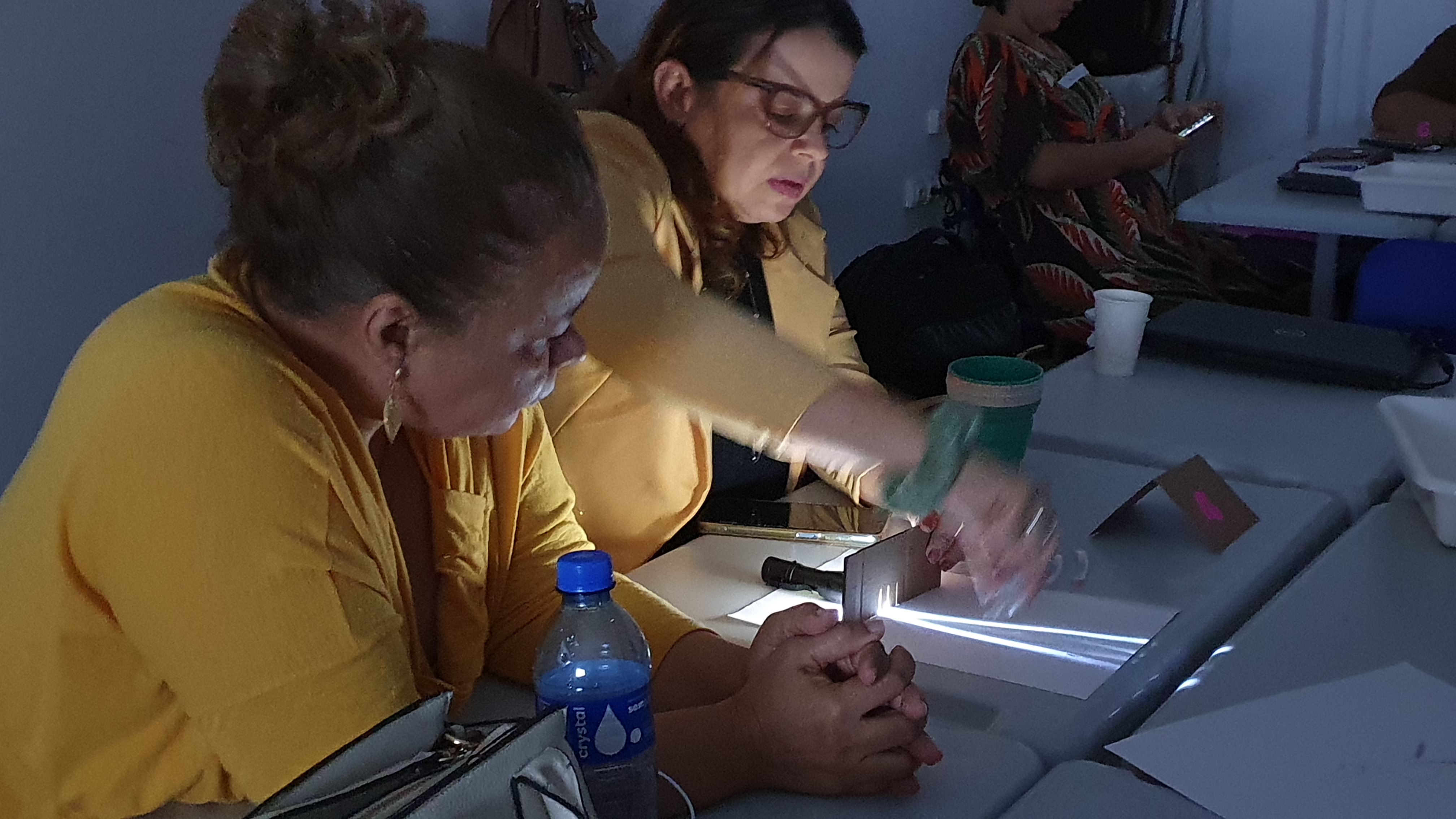
Among the observed outcomes were changes in participants’ teaching and professional development practices, including greater use of inquiry-based approaches, collaborative work, and recognition of students’ ideas as valuable resources in the learning process. Activities introduced during the program—such as workshops on lenses and human vision and on electric circuits—were subsequently implemented in classrooms with the support of materials kits provided by the project.
Overall, the program helped strengthen the integration of science, technology, and inquiry-based pedagogical practices, expanding the repertoire of teachers and teacher trainers while fostering a culture of collaboration across the school system. The results indicate strong potential for the continuation and expansion of the proposed approaches, particularly regarding the intentional use of technology and science teaching grounded in epistemic practices such as investigation, modeling, data analysis, and evidence-based communication.